
Medical Director
Senior Consultant, General & Colorectal Surgeon
MBBS (Singapore), MRCS (Edinburgh), MMed (Surgery), FRCS (Edinburgh)
Have you ever brushed off a change in your bowel habits, thinking it was just something you ate or a stressful week catching up with you? It is easy to dismiss these subtle shifts, especially when life gets busy. Yet sometimes, these small signs can point to something more serious beneath the surface.
Colorectal cancer is one of the most commonly diagnosed cancers in Singapore, affecting both men and women. It develops in the colon or rectum and often progresses quietly over several years, with little to no symptoms in its early stages. The reassuring part is that when detected early, treatment outcomes are significantly better and in many cases, highly effective.
Understanding Colorectal Cancer
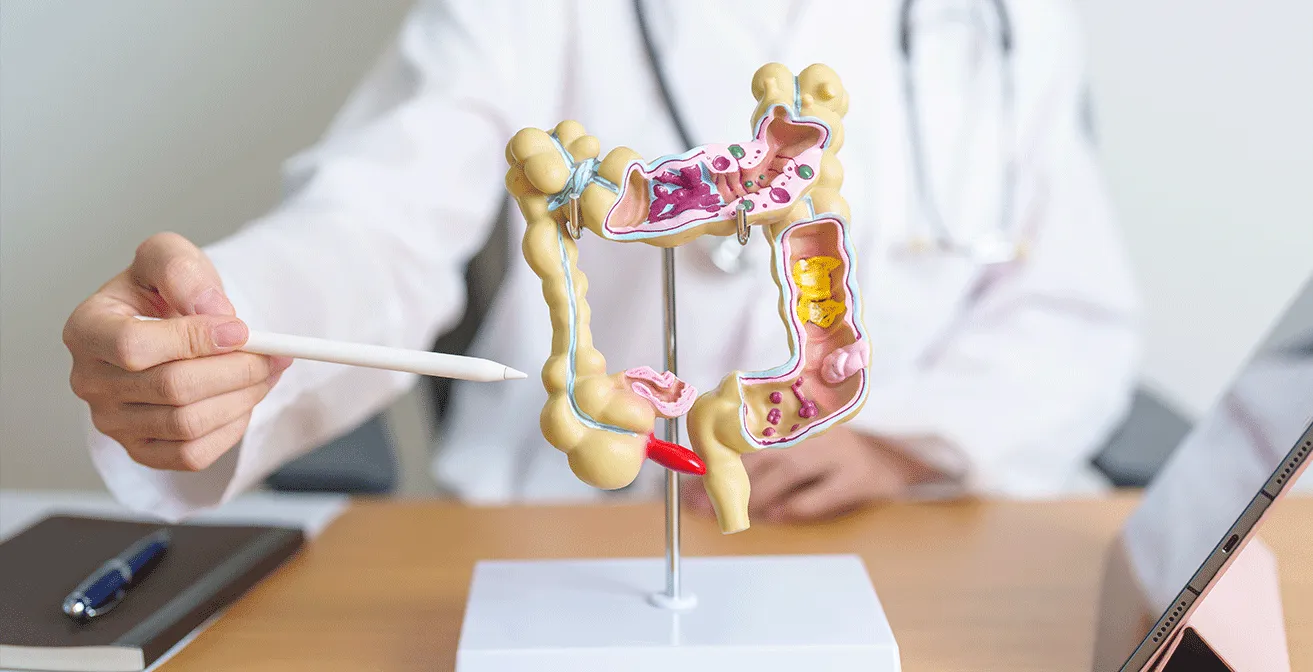
Colorectal cancer begins in the colon, which is the large intestine or in the rectum. In many cases, it starts as small growths known as polyps that form along the inner lining of the colon. While most polyps are harmless, some can gradually undergo changes and develop into cancer over time.
A number of factors can influence your risk. Age remains one of the most significant, with most cases diagnosed in individuals aged 50 and above. A family history of colorectal cancer or inherited conditions such as Lynch syndrome can also increase susceptibility. Lifestyle habits play a part too, including diets high in red or processed meats, smoking and low levels of physical activity. As early-stage colorectal cancer and precancerous polyps often develop without noticeable symptoms, regular screening plays a key role in prevention and early detection.
Diagnostic Process for Colorectal Cancer
If you are experiencing symptoms or attending a routine screening, your doctor will guide you through a step-by-step diagnostic process. This approach usually begins with simple, non-invasive tests before moving on to more detailed examinations if needed.
Initial Consultation and Physical Examination
The first step is usually a consultation. During this session, your doctor will take time to understand your medical background and overall risk profile. You may be asked about your family history, daily habits and any symptoms you have noticed, such as persistent changes in bowel movements, rectal bleeding or abdominal discomfort.
Stool-based Tests
Stool-based tests are commonly used as a first line of screening for individuals without symptoms. Two commonly used tests are:
- Faecal Occult Blood Test (FOBT): Detects hidden blood in the stool, which may be linked to polyps or cancer
- Faecal Immunochemical Test (FIT): A more specific test that detects human blood proteins and does not require dietary restrictions
Colonoscopy
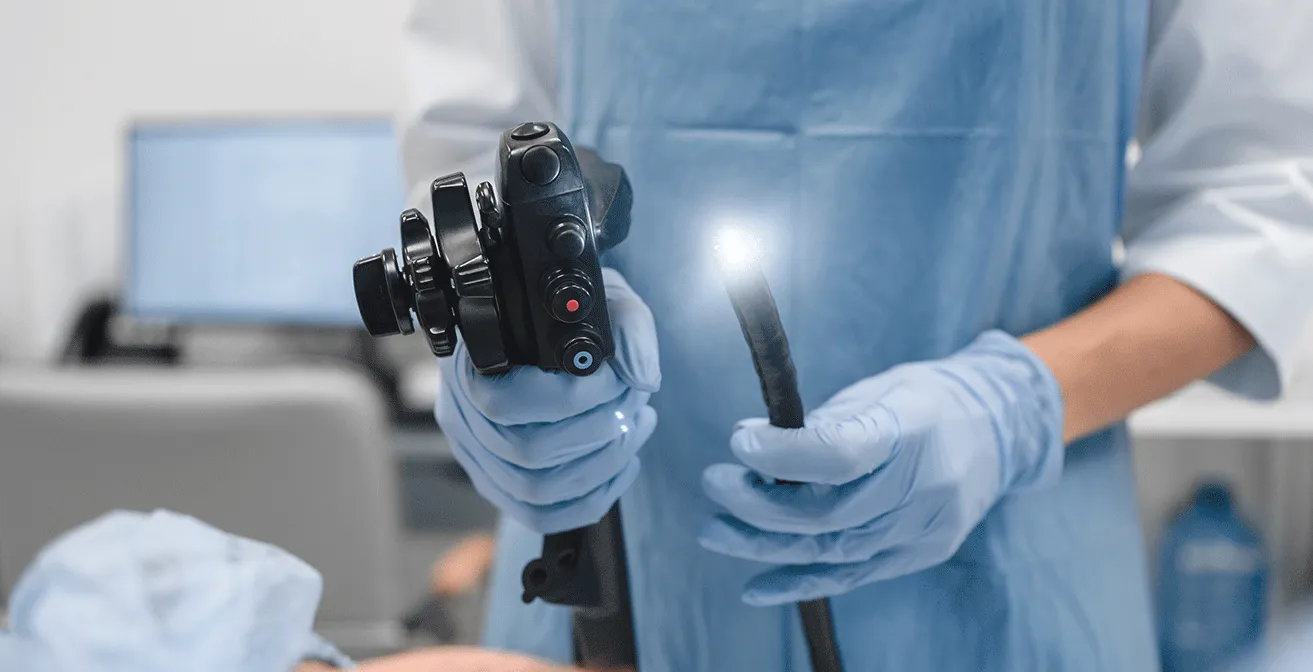
If a stool test returns a positive result or if symptoms are present, a colonoscopy is usually the next step. This procedure allows the doctor to examine the entire colon and rectum using a flexible tube fitted with a camera.
You will typically be given sedation to ensure comfort. One key advantage of a colonoscopy is that it allows for immediate action. If polyps are found, they can often be removed during the same procedure, reducing the risk of them developing into cancer later on.
Imaging Tests
When further evaluation is needed, imaging tests can provide a clearer picture of the colon and surrounding structures. These tests include:
- CT Colonography (Virtual Colonoscopy): A less invasive scan that produces detailed images of the colon, though it does not allow for polyp removal
- CT Scans: Useful for assessing organs and detecting any spread of disease
- MRI Scans: Particularly helpful for evaluating soft tissues, including the pelvic region
If any suspicious areas are identified during these tests, a biopsy may be performed. This involves taking a small tissue sample for laboratory analysis. A pathologist will then examine the sample to confirm whether cancer cells are present and determine their characteristics.
Why Early Diagnosis Matters
Early diagnosis of colorectal cancer can make a meaningful difference to your treatment journey.
When detected at a localised stage, before it has spread, survival rates are significantly
higher and treatment is often less intensive.
On the other hand, a later diagnosis may require more complex interventions such as chemotherapy
or radiotherapy. This is why timely screening and prompt follow-up on symptoms are so important.
Taking the Next Step for Your Colorectal Health
It is natural to feel hesitant about screening, especially when symptoms seem mild or easy to ignore. However, paying attention to your body and seeking medical advice early can make all the difference.
If you have concerns about your bowel health or are due for screening, consider reaching out to the team at The Surgeons in Singapore. Under the care of experienced colorectal surgeon Dr Chew Min Hoe, you can expect a thoughtful, patient-centred approach that prioritises both your comfort and long-term wellbeing. Schedule a consultation and gain peace of mind knowing you are looking after your health with confidence.
Frequently Asked Questions (FAQs) About Colorectal Cancer Diagnosis
At what age should I start getting screened for colorectal cancer in Singapore?
In Singapore, screening is generally recommended from the age of 50 for individuals at average risk. Those with a family history or certain medical conditions may need to begin earlier, so it is best to consult your doctor for personalised advice.
What happens after a positive test result?
A positive FIT or FOBT result does not mean you have cancer. It simply indicates that blood has been detected in the stool. The next step is usually a colonoscopy to identify the source of the bleeding and determine if further action is needed.
How do I prepare for colorectal cancer screening?
Preparation depends on the type of test. Stool-based tests require minimal preparation and can be done at home. For a colonoscopy, you will need to follow a clear liquid diet the day before and take prescribed medication to cleanse the bowel. This ensures that the doctor has a clear view during the procedure.
Meet Our Colorectal Specialist in Singapore
Medical Director
Senior Consultant, General & Colorectal Surgeon
MBBS (Singapore), MRCS (Edinburgh), MMed (Surgery), FRCS (Edinburgh)
Dr Chew Min Hoe has devoted over 25 years of service to the public sector and was the founding Head of the Department of Surgery at Sengkang General Hospital (SKH). His clinical specialty is General and Colorectal Surgery with special niche interests in colorectal cancer, advanced pelvic tumours, hereditary conditions as well as perianal surgery. He is highly involved in education and research, and has published more than 100 peer-reviewed articles.