
Colonoscopy in Singapore

Home>Colonoscopy in Singapore
Dr Chew Min Heo
Dr Chew Min Hoe

Senior Consultant, General & Colorectal Surgeon

MBBS (Singapore), MRCS (Edinburgh), MMed (Surgery), FRCS (Edinburgh)

Have you been brushing off changes in your bowel habits, occasional discomfort or simply a feeling that something isn’t quite right? It’s natural to wait and hope things settle on their own, especially when the symptoms seem mild at first. But when they linger or start to raise questions, getting a clearer picture can offer both answers and peace of mind.

A colonoscopy is a procedure that allows your doctor to examine the inner lining of your colon and rectum, helping to detect issues such as polyps, inflammation or early signs of colorectal cancer. At our clinic in Singapore, we perform colonoscopy as both a diagnostic and preventive tool, guiding you through each step with care so you feel informed, prepared and at ease.

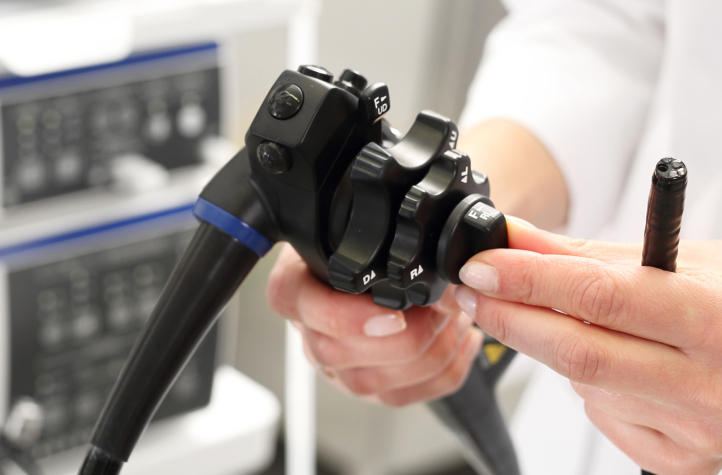
An endoscope being adjusted for a colonoscopy procedure.

What is a Colonoscopy?

A colonoscopy plays an important role in looking after your digestive health. As a screening tool, it helps detect early changes in the colon, including polyps that may develop into colorectal cancer over time. Identifying these changes early allows for timely care and better outcomes.

If you are experiencing symptoms such as rectal bleeding, abdominal discomfort or changes in bowel habits, a colonoscopy can also help find the cause. It gives your doctor a clear view of your colon, making it easier to understand what may be affecting your digestive system.

Beyond detection, it can also be used to treat certain conditions. During the procedure, polyps can be removed, helping to lower the risk of them developing into something more serious.

How Does a Colonoscopy Procedure Work?

A colonoscopy uses a specialised instrument known as a colonoscope. This is a thin, flexible tube designed to move gently through the colon. At the tip of the colonoscope is a small camera and light source. These allow detailed images of the colon to be captured and transmitted in real time. By viewing these images, your doctor can closely examine the lining of your colon and rectum, identifying any irregularities that may require further attention.

Benefits of Undergoing Regular Colonoscopy in Singapore

Regular colonoscopy screening plays a key role in maintaining digestive health and reducing the risk of serious conditions such as colorectal cancer. Whether you are attending routine screening or investigating symptoms, this procedure offers both preventive and diagnostic value, helping you take a more informed and proactive approach to your health.

Early Detection of Colorectal Cancer

Regular screening improves the likelihood of detecting colorectal cancer at an early stage, when treatment is typically more effective and outcomes are more favourable.

Removal of Precancerous Polyps

A colonoscopy enables the identification and removal of precancerous polyps during the same procedure, helping to lower the risk of cancer developing over time.

Detailed Diagnosis of Digestive Symptoms

For individuals with persistent digestive concerns, a colonoscopy can help identify the underlying cause, allowing for a more accurate diagnosis and targeted treatment plan.

Prevention Through Proactive Care

By detecting abnormalities early, you can take timely action to manage your health and potentially prevent more serious complications in the future.

Peace of Mind

Clear findings can provide reassurance, while early detection of any issues allows for prompt intervention and appropriate medical support.

An anatomical diagram shows a colonoscope examining a colon polyp.

What Happens When a Polyp is Found?

It is natural to feel concerned if a polyp is found, but most cases are manageable and addressed early during the same procedure:

  • Polyps can often be removed immediately during a colonoscopy, without the need for a separate treatment.
  • Most polyps are harmless, though a small number may develop into colorectal cancer over time if left untreated.
  • Removed polyps are sent for laboratory testing to determine whether they are benign or pre-cancerous.

If a polyp is found, it can be removed early, reducing the risk of it developing into something more serious. Speak to our team today to find out if you are due for a colonoscopy and take a proactive step towards your digestive health.

What Are the Possible Risks of a Colonoscopy Procedure?

Colonoscopy is generally a safe and well-established procedure. As with any medical intervention, there are some risks, but these are uncommon and are typically manageable when identified early. When performed by an experienced colorectal specialist, the likelihood of complications is low.

Bleeding

Minor bleeding may occur, particularly if a polyp is removed or a biopsy is taken. This is usually temporary and often resolves without further treatment.

Abdominal Discomfort

Some people experience mild bloating or cramping after the procedure. These symptoms are generally short-lived and improve on their own.

Perforation

In rare cases, a small tear in the wall of the colon may occur. This may require additional treatment, but such complications are uncommon.

Infection

The risk of infection is low due to strict sterilisation protocols, though it remains a possibility with any medical procedure.

When Should You Get a Colonoscopy Screening?

If you are between 45 and 50 years old and have no known risk factors, it is advisable to begin regular screening. When results are normal, follow-up screening is typically recommended after several years. You can also learn more about the reasons to undergo a colonoscopy to better understand its importance.
If you have a family history of colorectal cancer or polyps, screening may need to start earlier and occur more frequently. A common guideline is to begin screening ten years before the age at which your family member was diagnosed. Your doctor will guide you on the most appropriate screening schedule based on your personal risk profile.

Preparing for a Colonoscopy

Preparing for a colonoscopy ensures that your doctor can obtain a clear view of your colon. This usually involves temporary dietary adjustments, bowel cleansing and a short period of fasting before the procedure.

You may also be asked to follow a low-fibre or liquid-based diet and take prescribed medication to clear your bowels. Fasting is also required for a number of hours beforehand.

For a step-by-step guide, you can refer to our colonoscopy preparation guide.

What to Expect During the Colonoscopy Procedure?

During the procedure, a colonoscope is gently inserted to examine the colon. The images captured allow your doctor to assess the condition of the lining and identify any abnormalities. If needed, tissue samples may be taken or polyps removed.

After the procedure, you may notice mild bloating or cramping. These symptoms usually settle within a short period. However, if you experience persistent discomfort or unusual symptoms, you should seek medical advice promptly.

A colonoscopy procedure is a quick and effective way to gain clarity about your digestive health. If you are unsure whether it is time for one, a colonoscopy doctor can guide you on the right next step.

Post-Colonoscopy Care

After a colonoscopy, most people recover quickly and can return to their usual activities within a day. Understanding what to expect can help you feel more prepared and comfortable during the recovery period.

Immediate Recovery

You will be monitored for a short period after the procedure to ensure you are stable before being discharged. As sedation is commonly used, you should arrange for someone to accompany you home.

Common After-Effects

It is normal to experience mild bloating, gas or slight abdominal discomfort after the procedure. These symptoms are usually temporary and tend to improve within a few hours.

Dietary After Colonoscopy

Most people can resume their usual diet after the procedure. However, starting with lighter meals may feel more comfortable, especially if you experience any bloating.

Follow-up Care

Your doctor will review the findings with you and advise if any further monitoring, treatment or repeat screening is required.

Are There Alternatives to a Colonoscopy?

While colonoscopy remains a commonly used method for examining the colon, there are alternative tests that may be considered in certain situations. The most suitable option depends on your symptoms and clinical needs.

Barium Enema

A barium enema is an X-ray test that uses contrast to outline the colon and rectum. It can detect structural changes but does not allow for biopsy or removal of polyps.

CT Colonography

CT colonography, or virtual colonoscopy, uses CT scans to create detailed images of the colon and is less invasive, though a follow-up colonoscopy may still be needed if abnormalities are found.

Common Myths and Misconceptions About Colonoscopy

Many people feel unsure about getting a colonoscopy, often because of common misconceptions. Understanding what is true and what is not can help you make a more informed decision:

  • "I only need a colonoscopy if I have symptoms."

    Colonoscopy is often recommended even if you feel well, as early changes in the colon may not cause noticeable symptoms. Screening plays an important role in detecting issues before they progress.
  • “The procedure is very painful.”

    Most patients experience little to no discomfort, as the procedure is typically performed under sedation in a controlled and comfortable setting.
  • “It is only for older adults.”

    While routine screening often begins between ages 45 and 50, younger individuals with certain risk factors, such as family history or specific symptoms, may benefit from earlier evaluation.
  • “A colonoscopy is risky and unsafe.”

    Colonoscopy is a commonly performed procedure with a strong safety profile when carried out by experienced medical professionals.

Why Choose Our Clinic for Colonoscopy Screening in Singapore?

Choosing the right provider for your colonoscopy is important for both your comfort and the accuracy of your results. Our clinic is committed to delivering safe, thorough and patient-focused care at every step of your screening journey.

  • Experienced Specialist

    You will be cared for by Dr Chew Min Ho, who has extensive experience in performing colonoscopy and managing a wide range of colorectal conditions.
  • Modern Technology

    We use advanced equipment to support accurate assessment and clear visualisation, helping to ensure reliable findings and effective treatment planning.
  • Patient-Centred Care

    Your comfort, concerns and individual needs are carefully considered throughout the process, from consultation to recovery.
  • Convenient and Affordable

    We offer accessible care options designed to help you prioritise your health with greater ease and less stress.

Frequently Asked Questions (FAQs) About Colonoscopy

Colonoscopy is generally safe with a low risk of complications. Rarely, issues such as bleeding or a small tear in the colon may occur. You should contact your doctor if you notice unusual or persistent symptoms.

Our Colonoscopy Doctor

Dr Chew Min Hoe

Senior Consultant, General & Colorectal Surgeon
MBBS (Singapore), MRCS (Edinburgh), MMed (Surgery), FRCS (Edinburgh)

Dr Chew Min Hoe is a Senior Consultant in General and Colorectal Surgery with extensive experience in performing colonoscopy for both screening and diagnostic purposes. With a strong focus on colorectal health, he provides careful evaluation and clear guidance, helping patients make informed decisions about their care.

Colorectal Specialist in Singapore - Dr Chew Min Hoe