
Medical Director
Senior Consultant, General & Colorectal Surgeon
MBBS (Singapore), MRCS (Edinburgh), MMed (Surgery), FRCS (Edinburgh)
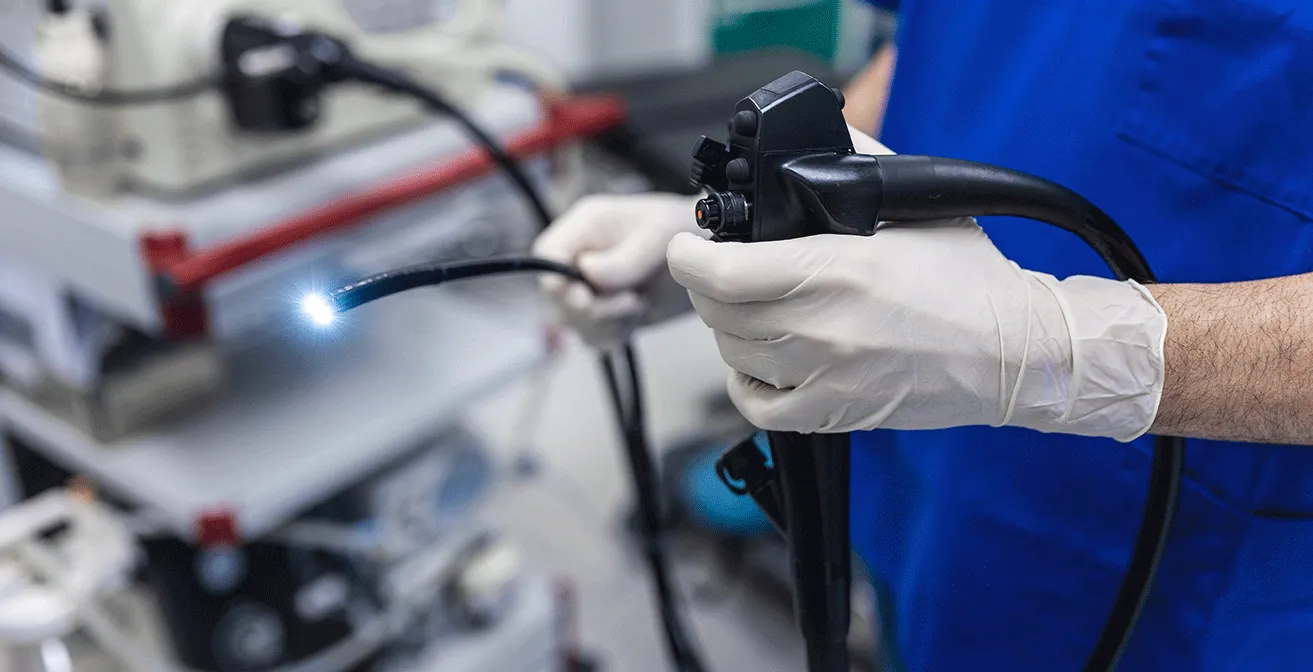
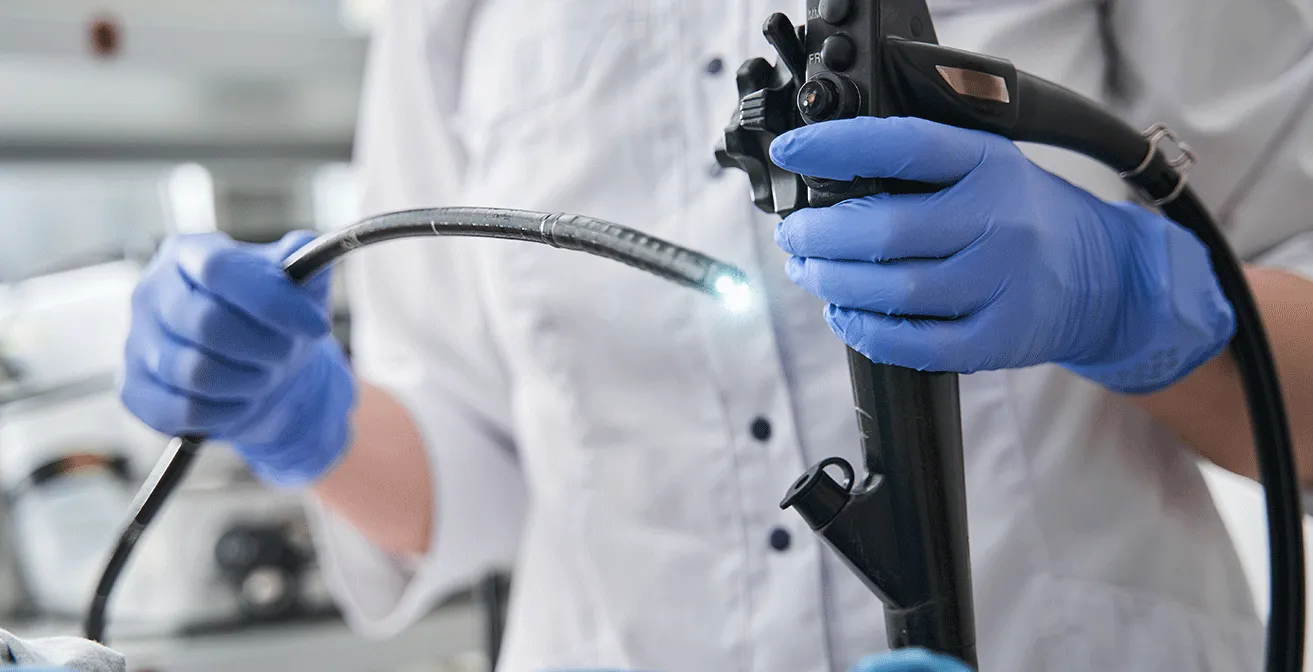
An endoscopy is a commonly performed procedure that allows doctors to examine the digestive tract using a thin, flexible tube called an endoscope. It is often used to investigate symptoms, take small tissue samples or even carry out treatment during the same session. Conditions such as acid reflux, inflammatory bowel disease and colorectal concerns are frequently assessed in this way.
While endoscopy is considered safe and generally well tolerated, it is still helpful to understand the possible side effects so you know what to expect and when to seek advice. Having a clearer picture of what may happen after the procedure can help ease uncertainty and allow you to focus on recovery with greater confidence.
Common Side Effects of Endoscopy
After an endoscopy, it is quite normal to notice mild and short-lived effects. These are usually linked to the passage of the endoscope or the air introduced during the examination.
Sore Throat or Hoarseness
If you have had an upper gastrointestinal endoscopy, you may notice a scratchy throat or slight hoarseness afterwards. This happens because the endoscope passes through the mouth and oesophagus, which can cause temporary irritation. The discomfort is usually mild and settles within a day or two. Sipping warm drinks or using lozenges can help soothe the throat as it recovers.
Mild Bloating, Gas or Cramping
During the procedure, air is gently introduced into the stomach or colon to improve visibility. Afterwards, this can leave you feeling bloated or slightly uncomfortable. These sensations tend to ease within a few hours as the air passes naturally. Light movement, staying hydrated and choosing gentle meals can help you feel more at ease.
Temporary Fatigue From Sedation
Sedation is commonly used during procedures such as gastroscopy and colonoscopy to keep you relaxed. As the medication wears off, you may feel drowsy, light-headed or less alert than usual. Most people recover within the same day, although it is advisable to rest and avoid tasks that require concentration, such as driving. In many cases, the effects of sedation can last up to 24 hours, so planning a quiet day can make your recovery more comfortable.
Rare but Potential Complications
Serious complications from endoscopy are uncommon, especially when performed by an experienced specialist. However, it is still important to be aware of them so you can recognise when something is not quite right.
Perforation
A perforation refers to a tear in the lining of the digestive tract. This is a very rare complication and is more likely to occur during complex procedures, such as removing large polyps or treating strictures. If a perforation occurs, additional intervention, such as surgery or endoscopic repair, may be necessary.
Bleeding
Minor bleeding can happen after a biopsy or polyp removal and is usually controlled during the procedure itself. In some cases, light bleeding may occur later but often settles on its own. The risk may be slightly higher if you are taking blood-thinning medication, which is why your doctor will provide specific instructions beforehand.
Infection
Infections following an endoscopy are uncommon, as strict sterilisation and infection control measures are carefully followed to keep risks low. That said, it is still important to stay aware of how you feel after the procedure. If an infection does develop, you may notice symptoms such as fever, chills or increasing pain, and these should be assessed promptly by a doctor.
Sedation-Related Risks
Sedation used during endoscopy is generally safe, especially with close monitoring throughout the procedure. In rare cases, it may affect breathing, blood pressure or heart rhythm. Because of this, your vital signs are continuously observed so that any changes can be detected early and managed promptly, helping to keep the procedure as safe as possible.
Adverse Reactions to Preparation
For procedures such as colonoscopy, bowel preparation is required to clear the colon. Some people may experience nausea, dehydration or temporary changes in electrolyte levels during this stage. Following preparation instructions closely and drinking adequate fluids can help reduce these effects.
Moving Forward with Confidence Under Dr Chew Min Hoe
Endoscopy is considered a minimally invasive procedure, which means it does not involve large incisions and usually allows for a quicker recovery compared to surgery. For most people, the benefits of identifying the cause of symptoms or carrying out treatment outweigh the potential risks. Choosing an experienced doctor can further reduce the likelihood of complications, making it a step forward rather than something to worry about.
If you are preparing for an endoscopy or have concerns about your symptoms, consider reaching out to The Surgeons in Singapore. Under Dr Chew Min Hoe, you will receive attentive, personalised care designed to keep you comfortable and well informed at every stage. Book your consultation today.
Frequently Asked Questions (FAQs) About Endoscopy
How common are complications during an endoscopy?
Serious complications are rare. The risk of significant bleeding is estimated to be around 0.1 to 0.4 percent, while the risk of perforation is even lower. Most patients complete the procedure without any issues, particularly when it is performed by a trained specialist.
What should I do if I experience severe pain or bleeding after the procedure?
If you notice severe abdominal pain, chest discomfort, fever, vomiting blood or passing black stools, it is important to seek medical attention straight away. These symptoms are uncommon but may indicate a complication that needs prompt evaluation.
Can I resume normal activities immediately after the procedure?
You can usually return to light activities on the same day. However, it is best to avoid driving, operating machinery or making important decisions until the effects of sedation have fully worn off. Planning for a day of rest can help support a smoother recovery.
Meet Our Colorectal Specialist in Singapore
Medical Director
Senior Consultant, General & Colorectal Surgeon
MBBS (Singapore), MRCS (Edinburgh), MMed (Surgery), FRCS (Edinburgh)
Dr Chew Min Hoe has devoted over 25 years of service to the public sector and was the founding Head of the Department of Surgery at Sengkang General Hospital (SKH). His clinical specialty is General and Colorectal Surgery with special niche interests in colorectal cancer, advanced pelvic tumours, hereditary conditions as well as perianal surgery. He is highly involved in education and research, and has published more than 100 peer-reviewed articles.