
Medical Director
Senior Consultant, General & Colorectal Surgeon
MBBS (Singapore), MRCS (Edinburgh), MMed (Surgery), FRCS (Edinburgh)
Digestive discomfort is often easy to dismiss. A little bloating after a heavy meal, occasional heartburn after supper or mild nausea during a busy week can seem like minor inconveniences rather than something that needs medical attention. Often, symptoms come and go, making it tempting to simply wait and hope they settle on their own. Yet the digestive system can sometimes give early warnings when something more significant is developing. Persistent reflux, unexplained stomach pain or difficulty swallowing may point to conditions that deserve closer assessment.
An endoscopy test is a diagnostic test that allows a specialist to examine the upper digestive tract directly. Recognising when symptoms may require further investigation with an endoscopy can lead to earlier answers, more targeted treatment and greater peace of mind.
What Is an Endoscopy Test?
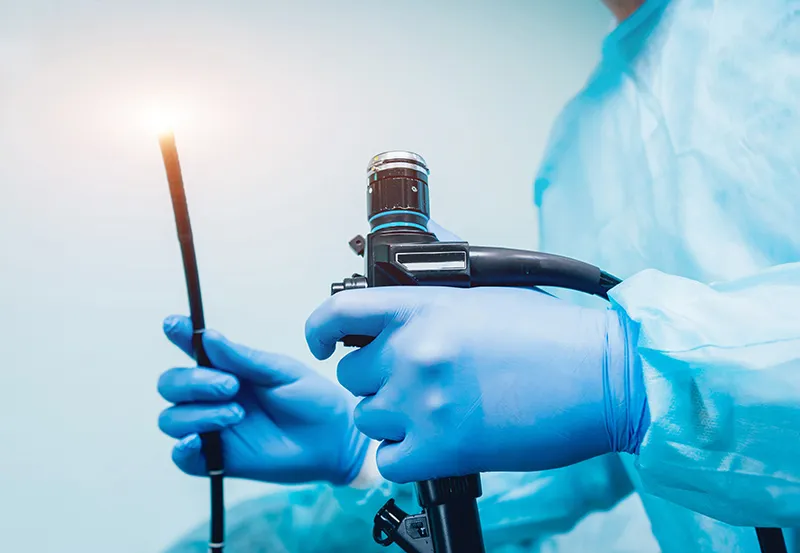
An endoscopy is a procedure in which a thin flexible tube with a small camera is gently passed through the mouth to examine the oesophagus, stomach and first part of the small intestine. It is commonly used to investigate symptoms affecting the upper digestive tract.
The test can help identify conditions such as gastritis, stomach ulcers, acid reflux damage, polyps and sources of bleeding. If needed, small tissue samples may also be taken for further testing. For many patients, the procedure is brief and performed with sedation for comfort.
Understanding When an Endoscopy May Be Needed
Certain digestive symptoms can be temporary and harmless, while others may signal the need for closer evaluation. The following signs are worth discussing with a specialist.

Persistent Heartburn or Acid Reflux
Occasional reflux can happen after certain foods or late meals. However, frequent burning in the chest, sour fluid rising into the throat or symptoms that continue despite medication may need further review. Long-standing reflux can irritate the lining of the oesophagus over time. An endoscopy allows a specialist to check for inflammation, ulcers or other changes that may require treatment.
Ongoing Upper Abdominal Pain
Pain or discomfort in the upper abdomen is sometimes caused by indigestion, but persistent or recurring pain should not be overlooked. If symptoms continue for weeks, wake you at night or interfere with eating, further investigation may be appropriate. An endoscopy can help detect causes such as gastritis, ulcers or irritation within the stomach and upper digestive tract.
Difficulty Swallowing
If food feels slow to go down, seems to get stuck or swallowing becomes uncomfortable, medical assessment is important. Difficulty swallowing may arise from inflammation, narrowing of the oesophagus or other structural issues. Because swallowing problems can worsen over time, timely evaluation helps identify the cause and guide suitable treatment.
Unexplained Nausea or Vomiting
Short-term nausea often improves once a viral illness or dietary trigger passes. However, repeated nausea or vomiting without a clear explanation may signal an underlying digestive problem.
Black Stools or Vomiting Blood
Bleeding within the upper digestive tract can sometimes appear as black tar-like stools or vomiting that contains blood or material resembling coffee grounds. These symptoms require prompt medical attention.
Unexplained Weight Loss or Reduced Appetite
If you are losing weight without trying, feeling full quickly or noticing a reduced appetite, it is wise to seek medical advice. While there can be many causes, digestive conditions are one possibility.
How a Specialist Helps Determine If Endoscopy Is Needed
Not everyone with digestive discomfort requires an endoscopy. A colorectal specialist will first review your symptoms, medical history, medications and any previous digestive issues. This is followed by a physical examination and, where appropriate, blood tests or imaging.
Based on the overall picture, an endoscopy may be recommended as the most direct way to clarify the cause of symptoms. Having the right test at the right time can prevent unnecessary delay and support a more effective treatment plan.
Seeking Clarity for Ongoing Digestive Symptoms
Digestive symptoms are common, but persistent reflux, unexplained pain, swallowing difficulty or signs of bleeding should not be brushed aside. Recognising when symptoms may need further investigation is an important step towards protecting your long-term health.
Thesurgeons is a colonoscopy clinic in Singapore that provides specialist assessment for a range of digestive concerns, with a focus on identifying the underlying cause and guiding appropriate next steps. Led by Dr Chew Min Hoe, the clinic offers a personalised approach to evaluating symptoms and advising on appropriate investigations and management. For ongoing symptoms or uncertainty about whether an endoscopy test is appropriate, arrange a consultation for personalised advice and reassurance about the way forward.
Meet Our Colorectal Specialist in Singapore
Medical Director
Senior Consultant, General & Colorectal Surgeon
MBBS (Singapore), MRCS (Edinburgh), MMed (Surgery), FRCS (Edinburgh)
Dr Chew Min Hoe has devoted over 25 years of service to the public sector and was the founding Head of the Department of Surgery at Sengkang General Hospital (SKH). His clinical speciality is General and Colorectal Surgery with special niche interests in colorectal cancer, advanced pelvic tumours, hereditary conditions as well as perianal surgery. He is highly involved in education and research and has published more than 100 peer-reviewed articles.