
Medical Director
Senior Consultant, General & Colorectal Surgeon
MBBS (Singapore), MRCS (Edinburgh), MMed (Surgery), FRCS (Edinburgh)
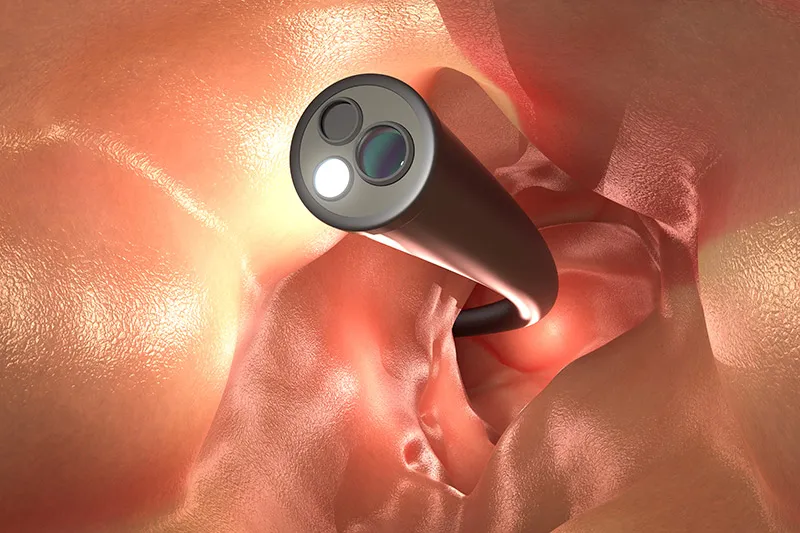
A colonoscopy provides valuable insights into the health of the digestive tract, helping doctors identify conditions such as polyps, inflammation, bleeding and colorectal cancer. Depending on your symptoms and medical needs, you may have undergone a diagnostic colonoscopy alone or a combined upper endoscopy and colonoscopy during the same session.
A diagnostic colonoscopy is performed to investigate symptoms such as rectal bleeding, changes in bowel habits, unexplained abdominal pain or abnormal screening results. In some cases, an upper endoscopy may be performed during the same session to allow examination of both the upper and lower digestive tract. This combined procedure may be referred to as an EGD colonoscopy (esophagogastroduodenoscopy and colonoscopy) or OGD colonoscopy (oesophagogastroduodenoscopy and colonoscopy) and allows doctors to examine the oesophagus, stomach, duodenum and colon in a single session.
After returning home, many patients want to know how recovery typically progresses and when they can resume their normal routine. Understanding the broader recovery journey, including how results are communicated, what follow-up steps may be recommended and which symptoms should prompt medical attention, allows you to take an active role in your post-colonoscopy recovery and ongoing digestive health.
Immediate Recovery After a Colonoscopy
After a colonoscopy, you will typically spend a short period in a recovery area while healthcare professionals monitor your condition, ensure that you are recovering well from the procedure and confirm that you are ready for discharge. If sedation was used, it is normal to feel drowsy, groggy or less alert for several hours afterward. The effects of sedation vary from person to person, but most patients gradually regain their usual level of alertness as the medication wears off.
Before you are discharged, you will receive instructions on diet, medications, activity levels and any specific precautions to follow at home. As the effects of sedation can affect judgment and coordination, arrange for someone to accompany you home and avoid driving or operating machinery for the rest of the day. Most patients can resume normal activities within 24 hours, although individual recovery times may vary depending on the procedure performed and any interventions carried out during the examination.
Understanding Your Colonoscopy Results and What They Mean
After your colonoscopy, your doctor will usually discuss the preliminary findings with you, which may include the presence of polyps, inflammation, diverticular disease, haemorrhoids, ulcers or other abnormalities identified during the examination. If no significant issues are found, your doctor may provide reassurance that the examined areas of your digestive tract appear healthy.
Depending on the procedures performed, your doctor may also have taken tissue samples (biopsies) for laboratory analysis to check for signs of infection, inflammation, precancerous changes or cancer. Biopsy results are typically available within several days to a few weeks, depending on the complexity of the testing required and the type of tissue being analysed.
One of the most common findings detected by a colonoscopy is the presence of polyps. If detected, these can often be removed during the procedure and sent for laboratory analysis. While most polyps are benign, some may develop into colorectal cancer if left untreated. The size, number and type of polyps provide important information about future colorectal cancer risk. For patients undergoing a diagnostic colonoscopy, polyp detection and removal are important steps in both diagnosing and preventing colorectal disease.
Once all results are available, your doctor will explain what the findings mean and whether any further evaluation is required. If your procedure included an upper endoscopy in addition to the colonoscopy, your doctor will review findings from both examinations.
Follow-Up Care and Warning Signs to Watch For After a Colonoscopy
After a colonoscopy, your doctor may recommend a follow-up appointment to review your recovery progress and discuss any recommended treatment or monitoring plans. Such consultations help ensure that any identified conditions are appropriately managed and that you understand the next steps in your care.
If abnormalities such as polyps, inflammation or other gastrointestinal conditions are detected, your doctor may recommend additional investigations, medications, dietary modifications or lifestyle changes. Following these recommendations can support digestive health, reduce the risk of future complications and help manage any underlying conditions that may have been identified during the procedure.
The findings from your colonoscopy will also help determine when you should undergo your next screening or surveillance procedure. Patients with normal results may not require another colonoscopy for several years, while those with certain types of polyps, a family history of colorectal cancer or other risk factors may need more frequent monitoring. Your doctor will advise you on the most appropriate screening schedule based on your individual risk profile.
While serious complications after a colonoscopy are uncommon, it is important to seek prompt medical attention if you experience severe or worsening abdominal pain, heavy rectal bleeding, fever, persistent dizziness, fainting, difficulty breathing or ongoing nausea and vomiting, as early evaluation can help identify and address potential complications quickly.
Navigating Your Post-Colonoscopy Recovery with Dr Chew Min Hoe
Colonoscopy recovery is typically straightforward, but understanding what to expect can help you feel more confident throughout the process. From immediate recovery to understanding your results and recognising warning signs that require medical attention, each stage plays an important role in supporting your digestive health. Following your doctor's guidance and keeping up with any recommended surveillance or screening schedules can help ensure the best possible long-term outcomes.
At Thesurgeons, we are committed to supporting patients throughout every stage of their digestive health journey, from diagnosis and treatment to recovery and long-term colorectal health management. Our senior consultant and general & colorectal surgeon, Dr Chew Min Hoe, is dedicated to delivering personalised post-colonoscopy recommendations and ongoing colorectal care tailored to each patient's needs. Book an appointment today.
FAQs About Post-Colonoscopy Expectations
How long does it take for my bowel movements to return to normal after a colonoscopy? +
It is common for bowel habits to be temporarily different after a colonoscopy due to the bowel preparation process. Some patients may experience loose stools, constipation or less frequent bowel movements for a few days before their digestive system returns to its usual pattern.
Is it normal to see a small amount of blood after a colonoscopy? +
A small amount of blood on the first bowel movement after a colonoscopy may occur, particularly if biopsies were taken or polyps were removed. However, heavy bleeding, large blood clots or ongoing rectal bleeding should be assessed promptly by a doctor.
Why am I still experiencing bloating several days after my colonoscopy? +
Mild bloating may occur after a colonoscopy because air or carbon dioxide is introduced into the colon during the procedure to improve visibility. While this sensation usually resolves within a day or two, persistent or worsening bloating should be discussed with your doctor.
Will removing polyps during a colonoscopy affect my daily activities? +
Most patients can return to their normal routine within a day after polyp removal. However, depending on the size and number of polyps removed, your doctor may recommend avoiding strenuous exercise, heavy lifting or certain medications for a short period to support healing.
Should I change my diet after a colonoscopy if no abnormalities were found? +
Even if your colonoscopy results are normal, maintaining a balanced diet rich in fibre, fruits, vegetables and whole grains can support long-term digestive health. Your doctor may also provide personalised dietary recommendations based on your medical history, risk factors and overall health goals.
Meet Our Colonoscopy Specialist in Singapore
Medical Director
Senior Consultant, General & Colorectal Surgeon
MBBS (Singapore), MRCS (Edinburgh), MMed (Surgery), FRCS (Edinburgh)
Dr Chew Min Hoe has devoted over 25 years of service to the public sector and was the founding Head of the Department of Surgery at Sengkang General Hospital (SKH). His clinical speciality is General and Colorectal Surgery with special niche interests in colorectal cancer, advanced pelvic tumours, hereditary conditions as well as perianal surgery. He is highly involved in education and research and has published more than 100 peer-reviewed articles.