
Medical Director
Senior Consultant, General & Colorectal Surgeon
MBBS (Singapore), MRCS (Edinburgh), MMed (Surgery), FRCS (Edinburgh)
Piles, medically known as haemorrhoids, are a common condition where veins in and around the rectum and anus become swollen. They can develop due to straining during bowel movements, ongoing constipation or even pregnancy. While they are often manageable, they can still cause pain, irritation and bleeding that affects your day-to-day comfort.
In many cases, piles can be diagnosed through a simple examination. However, there are times when your doctor may recommend an endoscopic procedure to take a closer look and rule out other possible causes.
When Is an Endoscopy Necessary?
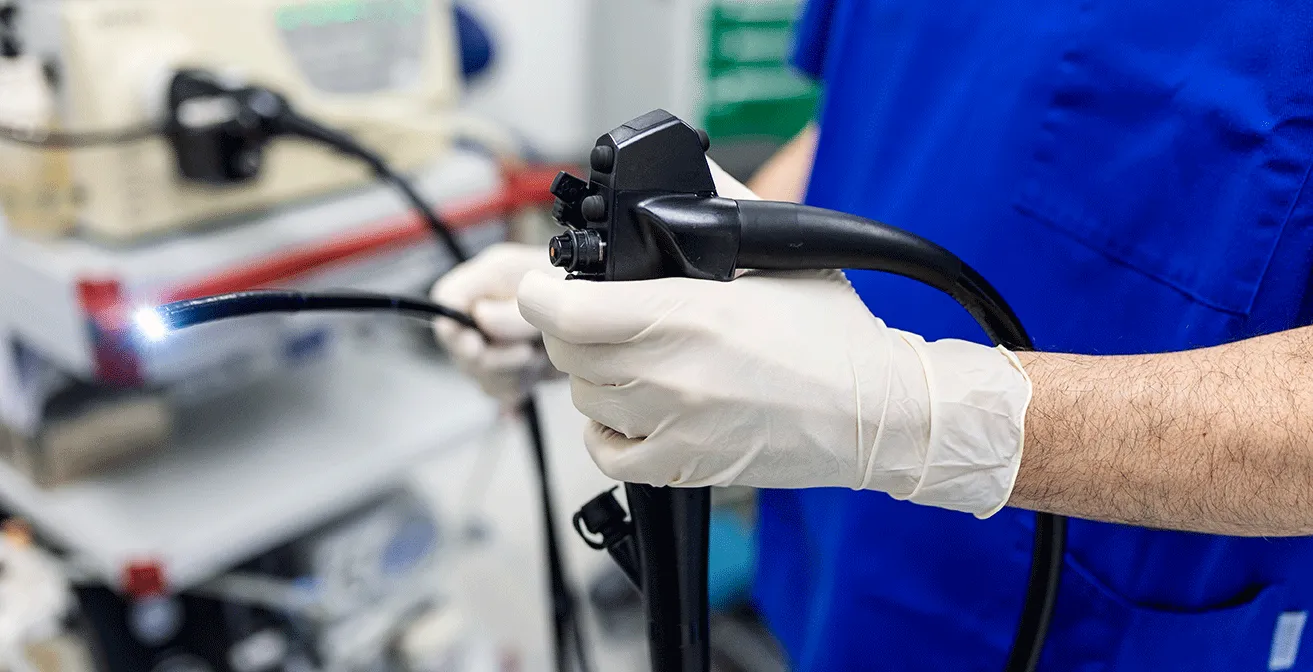
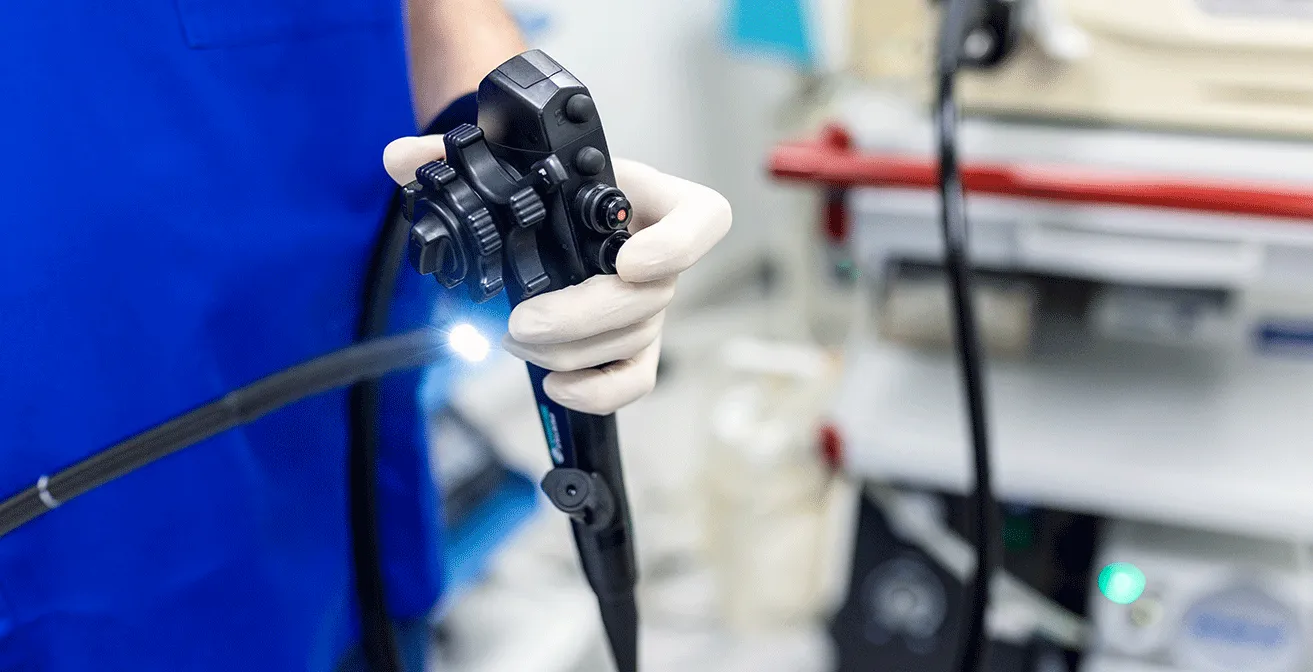
A physical examination is often enough to identify external piles or those that have prolapsed. However, it does not allow your doctor to assess deeper areas within the bowel. When your symptoms suggest that something more may be happening internally, an endoscopy can provide a clearer picture. This type of procedure uses a flexible camera to examine the lining of the digestive tract, helping your doctor make a more accurate diagnosis and guide the next steps in your care.
Concerning or Unusual Symptoms
While bleeding can occur with piles, certain patterns may raise concern. For instance, bleeding that is persistent, heavier than expected or accompanied by other symptoms may require further investigation.
Doctors may recommend an endoscopy if you experience:
- Ongoing or significant rectal bleeding
- Unexplained weight loss
- Noticeable changes in bowel habits
- Pain that does not improve with treatment
These symptoms can sometimes be linked to other conditions such as anal fissures, polyps or colorectal cancer, which is why a closer examination may be needed.
Excluding Other Gastrointestinal Conditions
Several digestive conditions can present in a similar way to piles. These include inflammatory bowel disease, such as Crohn’s disease or ulcerative colitis, as well as colorectal polyps. If your symptoms include abdominal discomfort, fever or unexplained weight loss, your doctor may suggest an endoscopy to examine the bowel directly. This allows for a more precise diagnosis and ensures that any underlying condition is not overlooked.
Recurrent or Chronic Piles
If piles keep returning or do not improve despite treatment, it may be a sign that there is an underlying issue that needs attention. Recurrent symptoms can sometimes be linked to ongoing straining, dietary factors or structural concerns within the rectal area.
An endoscopic evaluation can help uncover these contributing factors, allowing your doctor to recommend more targeted treatment and practical changes to reduce future flare-ups.
Family or Personal History of Colorectal Disease
Your medical history also plays an important role. If you have a personal or family history of colorectal cancer or inflammatory bowel disease, your doctor may take a more cautious approach.
In such cases, an endoscopy can help detect early changes such as inflammation or precancerous growths, even if your current symptoms appear mild.
Types of Endoscopy Used for Piles
When an endoscopy is recommended, the type of procedure will depend on your symptoms and the area that needs to be examined. Each method offers a different level of detail.
Colonoscopy
A colonoscopy examines the entire colon and rectum using a flexible camera. Doctors usually recommend it when patients present with red flag symptoms, such as rectal bleeding accompanied by changes in bowel habits, anaemia or unexplained weight loss. They may also advise it for individuals above screening age or those with a family history of colorectal cancer.
Although colonoscopy is not primarily used to diagnose piles, it allows doctors to evaluate the entire bowel and identify other possible conditions that may require attention.
Sigmoidoscopy
Sigmoidoscopy is a more focused procedure that examines only the lower part of the colon, known as the sigmoid colon, as well as the rectum. This procedure is less invasive than a full colonoscopy and may be recommended if the symptoms are localised to the lower digestive tract.
For individuals with piles, sigmoidoscopy can help identify the source of rectal bleeding or assess whether the piles are associated with other conditions in the lower colon. It can also be a more time-efficient and comfortable option for patients compared to a colonoscopy.
Anoscopy
Anoscopy is a simple, minimally invasive procedure that uses a short, rigid tube (anoscope) to examine the anal canal and lower rectum. This procedure is often performed in a doctor’s office and is specifically designed to evaluate conditions affecting the anus and rectum, such as piles, anal fissures or anal infections.
For patients with internal haemorrhoids, anoscopy can provide a detailed view of the swollen vein and its severity, helping to guide treatment decisions.
Proctoscopy
Proctoscopy is another procedure used to examine the rectum and the end of the colon. Similar to anoscopy, it uses a short tube to provide a detailed view of the rectal area, but it may extend slightly further than an anoscope.
Proctoscopy is particularly useful for evaluating internal piles and determining their size and grade. It can also help in identifying other abnormalities in the rectal area that may be contributing to the patient’s symptoms.
When to See a Doctor
Certain symptoms should prompt an immediate consultation with a healthcare provider. These include:
- Significant or persistent rectal bleeding
- Severe pain in the rectal area
- Unexplained weight loss
- Changes in bowel habits lasting more than a few weeks
- A lump in the anal area that is painful or growing
- Family history of colorectal cancer or other bowel diseases
Taking the Right Step Towards Relief
While piles are common, similar symptoms can sometimes point to other conditions that deserve attention. Seeking medical advice early gives you clarity and reassurance, whether it confirms a straightforward diagnosis or identifies something that needs further care. More importantly, it allows you to address the issue before it begins to affect your quality of life.
If you are experiencing ongoing symptoms or simply want peace of mind, reach out to the team at The Surgeons in Singapore. Under the care of colorectal surgeon Dr Chew Min Hoe, you will receive a thorough assessment and a personalised plan tailored to your health needs.
Frequently Asked Questions
Is an endoscopy always necessary to diagnose piles?
Most cases of piles are diagnosed through a review of your medical history and a physical examination. Endoscopy is usually reserved for cases where other conditions need to be ruled out or if there are atypical symptoms.
Can piles be treated without surgery?
Yes, piles can be managed with lifestyle changes, such as increasing fibre intake and staying hydrated, alongside topical treatments to reduce inflammation and discomfort. Non-surgical procedures, such as rubber band ligation, are also effective for many patients. Surgery is generally reserved for large, painful piles or those that do not respond to other treatments.
What are the first signs of haemorrhoids?
Early signs of haemorrhoids may include bright red bleeding during bowel movements, itching or irritation around the anus, mild pain or discomfort, and a small lump near the anal opening. Some people may also feel a sensation of incomplete bowel emptying.
Meet Our Colorectal Specialist in Singapore
Medical Director
Senior Consultant, General & Colorectal Surgeon
MBBS (Singapore), MRCS (Edinburgh), MMed (Surgery), FRCS (Edinburgh)
Dr Chew Min Hoe has devoted over 25 years of service to the public sector and was the founding Head of the Department of Surgery at Sengkang General Hospital (SKH). His clinical specialty is General and Colorectal Surgery with special niche interests in colorectal cancer, advanced pelvic tumours, hereditary conditions as well as perianal surgery. He is highly involved in education and research, and has published more than 100 peer-reviewed articles.